Sketchbooks Through History: From Notebooks to Phone Galleries
How artists have always used sketchbooks to collect ideas, and how phone galleries have become a modern version.
A sketchbook is a place to think on paper. Its purpose hasn't changed much over the centuries, though its form has.
The purpose of a sketchbook
- Capture ideas quickly.
- Practise seeing and drawing.
- Plan larger works.
- Record places, people and moments.
- Experiment without pressure.
Sketches don't have to be perfect. They're notes for the eye.
Early sketchbooks
Medieval and Renaissance artists used bound books, loose sheets and wax tablets. Leonardo's notebooks are among the most famous examples, filled with drawings and notes.
The travelling artist
By the eighteenth and nineteenth centuries, travelling artists carried small sketchbooks to record scenery and customs. Watercolour sketching became popular among travellers, and these journals often show what places looked like before photography was common.
Photography arrives
When photography emerged in the nineteenth century, some worried it would end drawing. Instead, artists used photographs as references, and drawing continued as its own art. Many artists still sketch from life to understand what they see.
The modern phone gallery
Today, most of us collect images on phones. A camera roll works like a sketchbook of a kind:
| Sketchbook | Phone gallery |
|---|---|
| Records moments | records moments |
| Made by hand | made by camera |
| Slow observation | quick capture |
| Personal marks | automatic detail |
Both are ways of noticing the world.
Bringing them together
Sketch-style effects offer a bridge: they let you give ordinary camera pictures the look of a drawn page, and they invite you to look at photos differently, as shapes, tones and lines.
Ideas to try
- Choose ten photos from a week and give them a consistent sketch look.
- Print a small selection and glue them into a notebook with notes.
- Draw a quick sketch alongside a photo of the same scene, to compare.
- Keep a "seen today" journal, with one picture and one sentence.
Value of slowness
A hand-drawn sketch takes time, and that time makes you look. If you can, try drawing something by hand occasionally, even badly. It changes how you see.
Tip
Whether by pencil or by phone, the habit that matters is looking closely and recording what you find interesting.
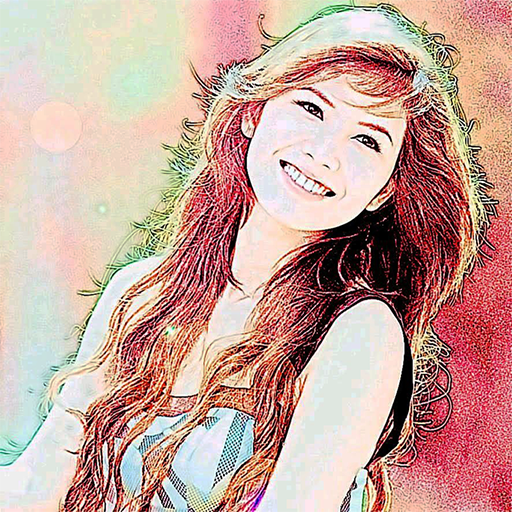
Color Photo Sketch
Turn your photos into sketch and art-style effects in one tap
More about Color Photo Sketch
Filters Versus Artists: An Honest Look at Automatic Art
What automatic sketch and art effects can and can't do, how they relate to human artistry, and how to enjoy them honestly.
Read article →Impressionism and Painterly Filters: Why Soft Focus Feels Artistic
How the Impressionists' approach to light and brushwork connects to painterly photo effects, and what to look for in photos.
Read article →Photography and Painting: A Short History of a Long Friendship
How the camera and the paintbrush have influenced each other, from the camera obscura to modern photo effects.
Read article →Pop Art and Bold Colour Effects: Warhol's Legacy on Your Phone
The story of pop art's colourful, repeated portraits, and how to choose photos for bold poster-like effects.
Read article →