Photography and Painting: A Short History of a Long Friendship
How the camera and the paintbrush have influenced each other, from the camera obscura to modern photo effects.
Photography and painting are often seen as rivals. In fact they've shaped each other for centuries.
Before photography: the camera obscura
Artists long used a device called a camera obscura, Latin for "dark room". Light passing through a small hole projects an upside-down image of the outside scene onto a surface. Artists could trace the image to help with accurate drawing and perspective.
The birth of photography
In 1839, the invention of the daguerreotype (announced in France by Louis Daguerre) marked the public beginning of practical photography. Others, such as William Henry Fox Talbot in Britain, developed methods that produced negatives and allowed many copies.
Painters' reactions
Photography changed painting:
- Portraits and records: photography took over some of painting's work in recording likenesses.
- New freedom: painters explored what cameras couldn't do: expressive colour, emotion, abstraction.
- New references: many painters used photographs as studies.
The Impressionists and later movements pursued personal vision over exact realism.
Photographers' reactions
Early photographers often imitated painting: soft focus, posed compositions, painterly lighting. A movement called Pictorialism treated photography as a fine art, using techniques that gave photos a painted or drawn look.
Later photographers, in the 20th century, embraced the camera's own qualities: sharpness, spontaneity, the "decisive moment".
The story now
Today, digital tools let anyone blend the two. A photo can be transformed into a sketch or a painting in a moment.
| Era | Relationship |
|---|---|
| Renaissance to 1800s | painters use optical aids to draw |
| Mid-1800s | photography emerges; painting redefines itself |
| Late 1800s to early 1900s | Pictorialist photographers imitate painting |
| Digital age | easy blending through software and apps |
What it means for you
When you turn a photo into a sketch, you're joining an old conversation: artists and photographers borrowing from each other.
Both ways of seeing
- Photographs capture what was there.
- Paintings and sketches interpret it.
An effect sits somewhere between, offering a new view of a familiar picture.
Keep experimenting
Try photographing a scene, then drawing it, then applying a sketch effect. Each shows you something different.
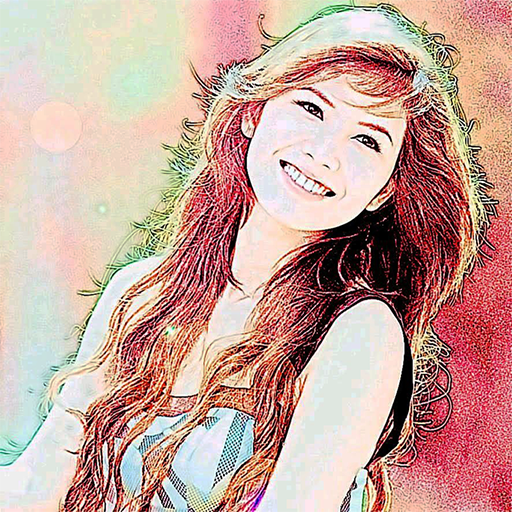
Color Photo Sketch
Turn your photos into sketch and art-style effects in one tap
More about Color Photo Sketch
Filters Versus Artists: An Honest Look at Automatic Art
What automatic sketch and art effects can and can't do, how they relate to human artistry, and how to enjoy them honestly.
Read article →Impressionism and Painterly Filters: Why Soft Focus Feels Artistic
How the Impressionists' approach to light and brushwork connects to painterly photo effects, and what to look for in photos.
Read article →Pop Art and Bold Colour Effects: Warhol's Legacy on Your Phone
The story of pop art's colourful, repeated portraits, and how to choose photos for bold poster-like effects.
Read article →Watercolour Looks: Soft Edges, Washes and Paper Texture
What makes a picture look like watercolour, and how to choose photos that suit a soft, painterly effect.
Read article →