Impressionism and Painterly Filters: Why Soft Focus Feels Artistic
How the Impressionists' approach to light and brushwork connects to painterly photo effects, and what to look for in photos.
Many "painting" filters echo a movement that began in France in the 1870s. Understanding it helps explain why soft, brushy pictures feel so appealing.
What was Impressionism?
Impressionism was a style of painting in which artists tried to capture the impression of a moment, especially the effects of light and colour, rather than fine detail. The name came from Claude Monet's painting Impression, Sunrise (1872), and the group held its first exhibition in Paris in 1874.
Key painters include Claude Monet, Pierre-Auguste Renoir, Camille Pissarro, Edgar Degas and Berthe Morisot.
Features of the style
- Visible, short brushstrokes.
- Light and its changing effects: morning mist, afternoon sun.
- Bright, unmixed colours placed side by side.
- Everyday scenes: gardens, streets, cafés, rivers.
- Soft edges and blurred detail.
Why it feels different from a photograph
A photograph records everything in sharp detail. An Impressionist painting suggests the scene. The eye fills in the rest, and the picture feels lively and immediate.
Painterly effects on photos
Painterly filters imitate that look by:
| Technique | Result |
|---|---|
| Smoothing detail | removes fine texture |
| Adding brush-like marks | gives a hand-painted feel |
| Softening edges | blends areas of colour |
| Boosting colour | makes hues glow |
What suits the effect
- Gardens and flowers.
- Water, reflections and bridges.
- Sunlit streets and cafés.
- Misty landscapes.
- Portraits in soft light.
Photos with mood and light usually look best.
What to avoid
- Sharp, detailed pictures you'd like to keep sharp.
- Text and signage, which become unreadable.
A note on honesty
An effect can make a photograph look like a painting, but it isn't the same as painting one. If you share it as art, it's kind to say how you made it.
Looking at real paintings
If you can, look at Impressionist paintings in a gallery or online. Notice how the brushstrokes make shimmering light, and think about what that means for your photo choices.
Tip
Try a painterly effect on a photo taken in golden-hour light, and compare it with one taken on a flat, grey day.
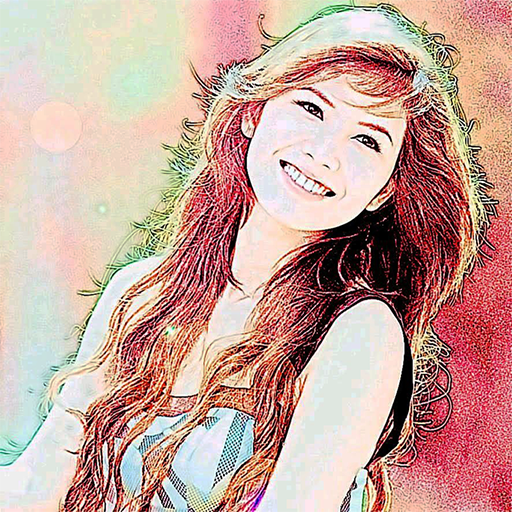
Color Photo Sketch
Turn your photos into sketch and art-style effects in one tap
More about Color Photo Sketch
Filters Versus Artists: An Honest Look at Automatic Art
What automatic sketch and art effects can and can't do, how they relate to human artistry, and how to enjoy them honestly.
Read article →Photography and Painting: A Short History of a Long Friendship
How the camera and the paintbrush have influenced each other, from the camera obscura to modern photo effects.
Read article →Pop Art and Bold Colour Effects: Warhol's Legacy on Your Phone
The story of pop art's colourful, repeated portraits, and how to choose photos for bold poster-like effects.
Read article →Watercolour Looks: Soft Edges, Washes and Paper Texture
What makes a picture look like watercolour, and how to choose photos that suit a soft, painterly effect.
Read article →