Line, Tone and Texture: The Three Building Blocks of Any Sketch
A beginner's guide to the elements that make a sketch look like a sketch, and how to spot them in a sketch-style photo.
Whether an artist draws by hand or a photo effect creates a sketch look, the result relies on the same three building blocks: line, tone and texture.
Line
Lines define the edges of shapes and separate one object from another.
- Outlines trace the boundary of a subject.
- Contour lines follow the surface of a form, such as the curve of a cheek.
- Line weight, thick or thin, adds emphasis and depth.
- Line quality, smooth or scratchy, sets the mood.
In a sketch-style photo, lines often appear where the photo has strong edges: a jawline, a rooftop, a tree trunk.
Tone
Tone (or value) is how light or dark an area is. It creates the feeling of light, shadow and volume.
| Tone | Effect |
|---|---|
| Light tones | highlights, bright surfaces |
| Mid tones | the body of a form |
| Dark tones | shadows, depth, contrast |
A drawing with a full range of tones, from near white to deep dark, feels solid and three-dimensional. One with only mid tones feels flat.
Texture
Texture is the visual feel of a surface: rough bark, soft fur, smooth glass.
- Artists suggest texture with marks: dots, dashes, hatching, scribbles.
- Repeated marks build up an impression of fabric, hair or stone.
Sketch effects often exaggerate texture, which gives them their hand-made look.
How they work together
| Element | What it does |
|---|---|
| Line | shows shape |
| Tone | shows light and volume |
| Texture | shows surface |
A good sketch balances all three. Too much line looks like a cartoon; too much tone without line can look smudgy.
Seeing them in your photos
When you apply a sketch effect, look at:
- Where the lines fall. Do they follow the important edges?
- How dark the shadows become. Is there enough contrast?
- What texture appears. Does it suit the subject?
Choosing photos that suit
Photos with clear edges, good contrast and interesting texture give the most convincing results: a weathered door, a face in side light, a tree in winter.
Practise seeing
Look at a room and try to notice its main lines, its lightest and darkest areas, and its textures. This trains your eye, and helps you choose better photos.
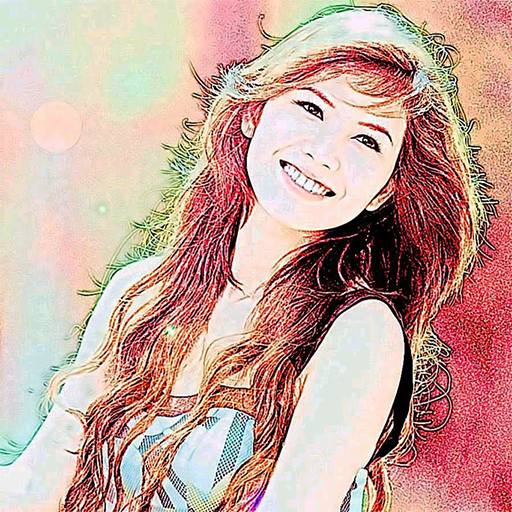
Color Photo Sketch
Turn your photos into sketch and art-style effects in one tap
More about Color Photo Sketch
Graphite, Charcoal and Ink: Three Drawing Media and Their Looks
How different traditional media create different moods, and how to choose a sketch style for your photo.
Read article →Hatching and Cross-Hatching: How Artists Build Shadow with Lines
The classic line-based shading techniques and how to recognise their look in sketch and engraving-style photo effects.
Read article →Lighting a Portrait So It Becomes a Striking Sketch
How the direction and softness of light affect a portrait, and simple lighting setups that convert into strong sketch results.
Read article →Pencil Grades Explained: From HB to 8B and What They Look Like
How the pencil grading scale works, what each grade is good for, and why sketch effects often mimic these looks.
Read article →