What Makes a Good Photo for a Sketch Effect?
Practical tips for choosing or taking photos that produce the best results with sketch and artistic photo effects.
Not every photo turns into an equally good sketch — as covered in our related article on how these effects work, the quality of the result depends heavily on the source photo's lighting, contrast, and clarity. Here's what to look for.
Good lighting matters more than a fancy camera
Even lighting that clearly separates a subject's features from shadows and background produces cleaner edge detection than harsh, uneven, or very low light — a well-lit ordinary phone photo will often sketch better than a poorly lit one taken with a much better camera.
Higher contrast between subject and background helps
A subject clearly distinguishable from its background — through lighting, colour, or focus — gives a sketch effect clean, well-defined lines to work with. A subject blending into a busy, similarly-toned background tends to produce a messier, less legible sketch result.
Sharp focus beats a blurry original
Since sketch effects rely on detecting real edges in the source photo, any blur in the original — motion blur, an out-of-focus shot — directly translates into vague, indistinct lines in the sketch result, since there's no sharp edge for the algorithm to detect in the first place.
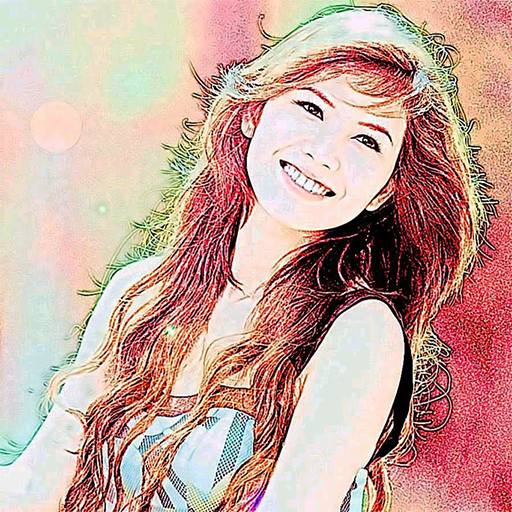
Portraits and clear single subjects work especially well
Photos with one clear main subject — a face, an object with a distinct outline — generally sketch more successfully than busy scenes with many overlapping elements, where the effect can end up looking cluttered rather than clean.
Simpler backgrounds produce cleaner results
A plain or softly blurred background gives a sketch effect less competing detail to process, letting the main subject's linework stand out more clearly than it would against a highly detailed, busy background.
When a "messier" source photo can still work
Not every good sketch needs a clean, simple source photo — busier photos can produce interesting, more textured sketch results, especially for colour sketch effects. It's less about avoiding complexity entirely and more about knowing what kind of result to expect from a given source photo.
A quick practical tip
If you're specifically taking a photo intending to apply a sketch effect afterward, favour good even lighting and a clear, uncluttered composition — the same principles that make a good photo generally also tend to make a good sketch source.
Apply sketch effects to your best photos with Color Photo Sketch →
Color Photo Sketch
Turn your photos into sketch and art-style effects in one tap
More about Color Photo Sketch
Black-and-White vs Colour Photo Effects: When to Use Each
Practical guidance on when a black-and-white treatment works better than colour effects for a photo, and why.
Read article →Combining Sketch Effects With Other Photo Edits
How to combine sketch effects with other photo editing steps for a more polished, intentional final result.
Read article →Creative Ways to Use Sketch-Effect Photos
Practical and creative ideas for using sketch-effect photos beyond just posting them directly to social media.
Read article →A Short History of Sketch and Line Art Styles
A look at the history and variety of traditional sketch art styles that digital sketch filters draw inspiration from.
Read article →