How Word Search Puzzles Are Actually Generated
A plain explanation of how word search puzzle grids are algorithmically generated, and what makes a well-designed puzzle.
Modern word search apps generate effectively endless new puzzles on demand — a genuinely interesting bit of algorithmic design behind what feels like a simple, casual activity.
The basic generation process
A word search puzzle generator starts with a word list, then places each word into a grid in a randomly chosen direction and position — checking as it goes that new word placements don't create unintended conflicts with words already placed, before filling any remaining empty grid cells with random filler letters.
Why filler letters matter for puzzle quality
Random filler letters aren't purely arbitrary — a well-designed generator avoids accidentally creating unintended extra words within the filler letters, and avoids obvious, overly predictable letter patterns that would make the puzzle too easy by inadvertently hinting at word locations.
Balancing difficulty through grid design
Puzzle difficulty is controlled through several adjustable factors — grid size (larger grids mean more area to search), the number of words hidden, how many different directions words can be placed in, and how densely packed the grid is with target words versus filler letters. Adjusting these systematically lets an app generate puzzles across a genuine range of difficulty levels.
Why some puzzles feel "better designed" than others
A well-tuned generator balances genuine challenge against frustration — enough filler letters and word placement variety to make searching genuinely engaging, without so much sparse, obviously-patterned filler that the puzzle feels either trivially easy or unfairly obscure.
Why algorithmic generation enables endless play
Since a generator can combine a word list with effectively unlimited placement variations, a well-built word search app can produce a genuinely enormous number of unique puzzles from even a moderately sized underlying word list — this is exactly what makes "endless levels" a realistic, sustainable feature rather than a fixed, eventually-exhausted set of pre-made puzzles.
Themed word lists as the real content driver
Since the placement algorithm itself is largely generic, what actually differentiates puzzles thematically is the underlying word list used — a themed puzzle (animals, geography, a specific topic) simply swaps in a different word list feeding into the same underlying generation process.
Why this matters for appreciating the format
Behind what feels like a simple, casual puzzle is a genuinely thoughtful bit of algorithmic design, balancing randomness, fairness, and difficulty — worth a moment's appreciation next time an endless supply of fresh puzzles is available at a tap.
Enjoy endless, well-designed word search levels — Crossword - Word Search Game →
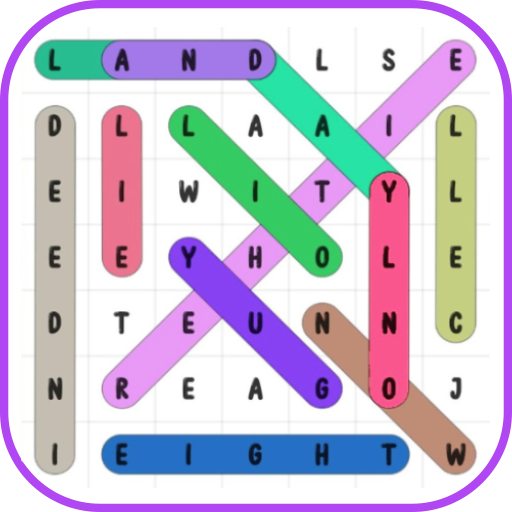
Crossword - Word Search Game
A relaxing, endless word search puzzle game
More about Crossword - Word Search Game
The Best Times to Play Casual Puzzle Games (And Why Timing Matters)
How the timing of a casual puzzle session affects its benefit, and practical suggestions for when word search fits well into a day.
Read article →Building a Daily Puzzle Habit You'll Actually Keep
Practical tips for building a sustainable daily word puzzle habit, and why consistency matters more than session length.
Read article →The Cognitive Benefits of Word Search and Word Puzzles
What research and general cognitive science say about the mental benefits of regularly playing word search and word puzzles.
Read article →The History of Word Search Puzzles
A short history of the word search puzzle, from its newspaper origins to its enduring popularity in mobile app form.
Read article →